

The building trades we coordinate in Geneva
Planning building work? Apartment, house or building renovation, a new storey or a roof extension, running the project is our job.
HMG Construction Management SA coordinates every trade on a building site in Geneva, from masonry to painting. The firm does not carry out the works itself. It selects the contractor for each trade with you, sets the order of the work, checks each contractor's workmanship against SIA standards and verifies the invoices.
How do you get your building work done without the worry? By handing the management and the coordination of the contractors to HMG. HMG is there for you.
Which trades work on a building site?
A renovation soon involves a good number of firms, whether for rewiring, plumbing, heating or finishes. Each one knows its trade, but none is responsible for what happens between its work and the next firm's. These are the trades a construction project manager most often brings together.
- Masonry and structural work, for demolition, openings in walls, slabs and drains.
- Carpentry, roofing and sheet metal work, which make the building weathertight.
- Facades and windows, with insulation, render and blinds.
- Electrical work, from the distribution board to sockets, lighting and data cabling.
- Plumbing, meaning water supply, drainage and sanitary fittings.
- Heating and ventilation, from the heat source to its distribution in the rooms.
- Plastering and painting, for partitions, ceilings and wall finishes.
- Joinery, which covers doors, cupboards, kitchens and fitted furniture.
- Tiling, wood flooring and other floor coverings.
- Metalwork, for railings, steel stairs and technical doors.
Depending on the project, the scaffolder, the waterproofing contractor, the landscaper, the asbestos removal firm or the lift installer join them.
In what order do the trades follow one another?
The order follows a simple logic. You start with what carries and protects the building, continue with what runs inside the walls and floors, and finish with what shows. Structural work therefore comes first, followed by the roof and the windows. The installers then lay their pipes and conduits before the plasterer closes the partitions. Screeds, coverings, joinery and painting come next, after which the installers return to fit the appliances.
The fact that the same firms come back at several points explains many delays. An electrician who misses a slot holds up the plasterer, who holds up the painter. The schedule exists to prevent that chain reaction.
General contractor or construction project manager, which suits you?
A general contractor signs a single contract with you for all the works and subcontracts the trades it does not carry out itself. You have one price and one party responsible. In return, you do not usually see each subcontractor's price and you do not choose them.
With a construction project manager (direction des travaux), you sign a contract with each firm, following tenders by trade. You see every price and you decide every award. HMG is an independent firm with no financial link to the contractors, so it has no stake in which one is chosen. The tender documents are organised by CFC (code des frais de construction, the Swiss building cost code), which makes the bids comparable line by line.
Permits and procedures in Geneva
Renewing the electrics, the plumbing or the heating is not always plain maintenance. As soon as the works alter the interior of a building, the fast-track procedure, called APA, described on the Canton's permit types page (in French) may apply. Our guide to building permits and procedures in Geneva helps you place your project.
Before walls are opened or old coverings removed, the search for asbestos, PCB and lead described on the page Rénover, transformer ou démolir sans danger protects the workers and the occupants. Its result goes into the tender documents, so that each firm prices the job with the facts in hand.
Who do you call first?
There is no need to ring each tradesperson in turn. You have two ways in.
- You appoint HMG for the whole project. The firm draws up the plans, files the permit application where one is required, consults contractors for each trade and manages the site to the end.
- You have an architect. The architect designs the project and obtains the permit, then HMG takes over, runs the tenders and coordinates the contractors alongside them.
Tradespeople you already know and trust can be invited to tender on the same footing as the others.
How HMG coordinates the trades
Coordinating the trades starts before any work begins on site. For each trade, HMG writes a specification stating where its work stops and where the next one begins. It says, for example, who drills the slab for the pipe, who makes good and who sets the shower drain before the tiler arrives. These written boundaries cut down on arguments on site and on invoices for extra work.
During the works, the firm brings the contractors together every week, records the decisions in the minutes and keeps the schedule up to date. It inspects the work before it is covered, for example the pipes before the screed and the waterproofing before the tiling. Finally, it checks each invoice against the contract and the actual progress before passing it to you for payment.
Usual steps and timing
- Visit, survey and list of works by trade.
- Specifications and cost estimate for each trade.
- Tenders, item by item comparison of bids and contracts with the contractors.
- Master schedule, with the dates on which each firm works.
- Construction, weekly site meetings and inspections before work is covered.
- Acceptance trade by trade, snagging and final account.
How long the works last depends on the number of trades involved and on their availability. HMG gives you a dated schedule once the contractors have been chosen.
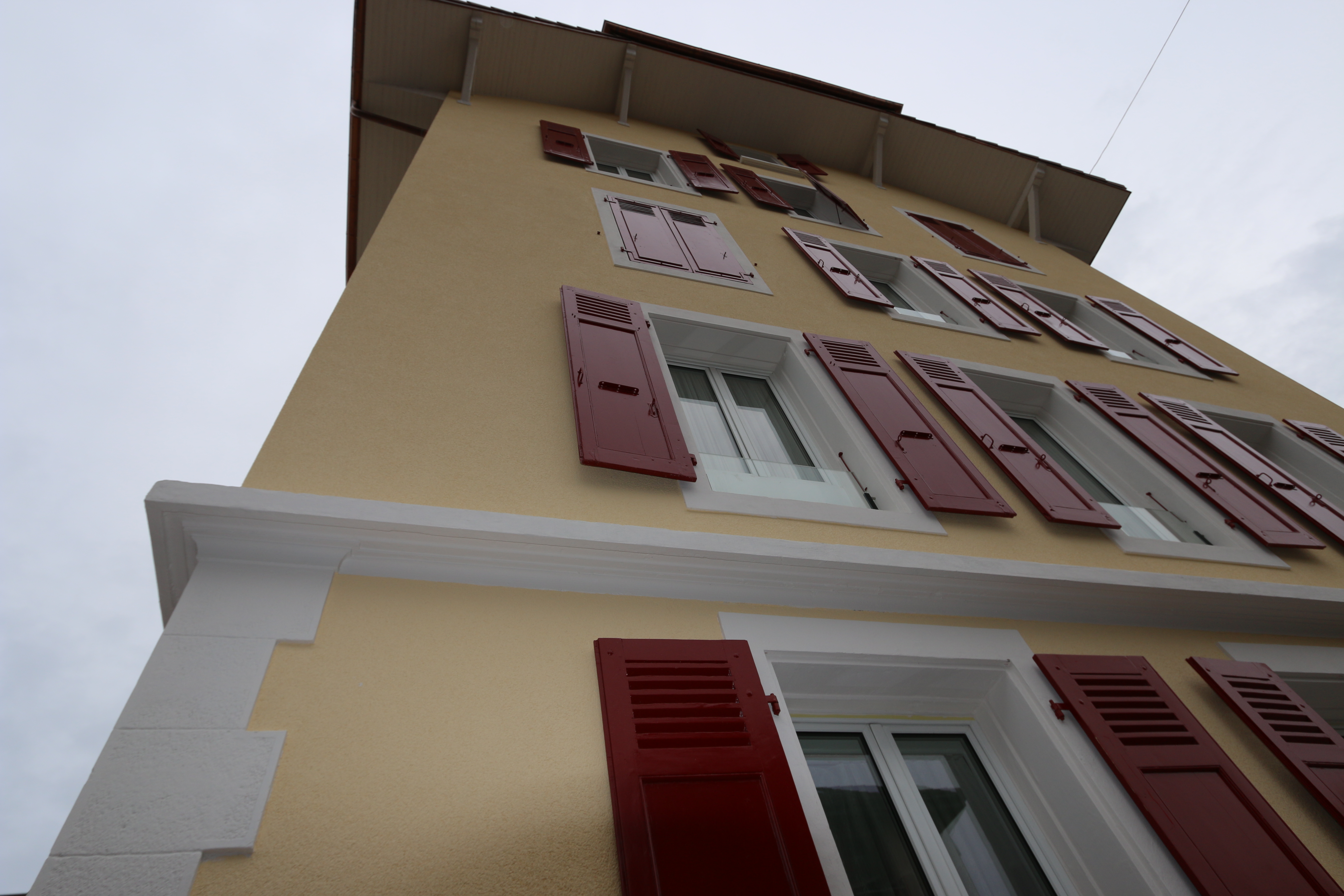
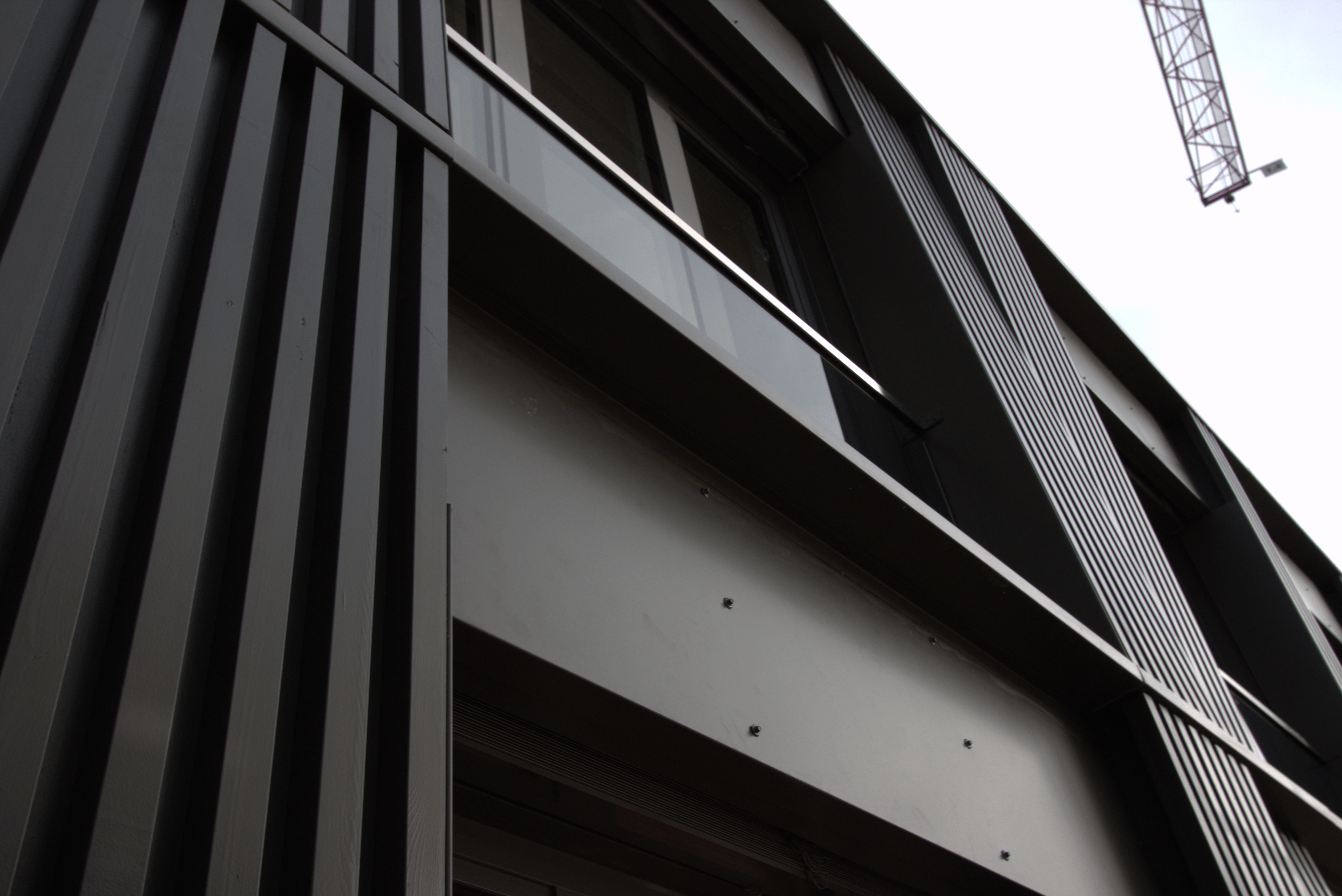
Sites coordinated by HMG

Frequently asked questions
Who coordinates the different trades on a site?
With no one appointed, the task falls to the owner. With a construction project manager, it passes to the appointed firm. That firm sets the dates on which each trade works, settles boundary questions between two trades and inspects the work, and it is the only party you need to deal with.
Can I bring my own electrician or plumber?
Yes. Your tradesperson receives the same specification as the other firms consulted and prices it on that basis. If selected, they sign a contract with you and follow the shared schedule like everyone else.
Can I renovate only the electrics or the heating?
Yes, but one trade almost always brings others with it. Rewiring opens chases that the plasterer and the painter have to close. Changing the heating can call for core drilling and masonry work. HMG prices the full scope so that the budget is complete.
What happens if a contractor falls behind?
The delay is noted at the site meeting and recorded in the minutes, with a date for catching up. Where possible, HMG rearranges the order of the work so that the other trades can carry on, and tells you what it means for the completion date.
Related guides and pages
Request a call back
Describe your project in a few lines. HMG calls you back within 24 hours.