

Construction project management in Charmilles-Châtelaine, Geneva
Planning building work? Apartment, house or building renovation, a new storey or a roof extension, running the project is our job.
For a flat, a whole building or commercial premises in Charmilles-Châtelaine, HMG Construction Management SA works out the cost, puts the work out to competitive tender and runs the site through to handover. Independent of all contractors, the firm can also design the scheme and file the permit application as a registered MPQ agent.
What do the figures say about Charmilles-Châtelaine?
Every period of construction is represented here. The OCSTAT table of dwellings by construction period records 12,532 dwellings at the end of 2025, with no single period clearly ahead. Buildings from before 1946 hold 2,429 of them, those from 1946 to 1960 hold 2,547 and those from 1961 to 1970 hold 2,538. They are followed by 1,701 dwellings from 1971 to 1980, 381 from 1981 to 1990, 1,502 from 1991 to 2000 and 1,409 from after 2000.
Taken together, the years 1946 to 1980 account for 6,786 dwellings, more than half the total. The OCSTAT table of buildings by type counts 832 buildings at 30 September 2026. Of these, 363 are houses with several dwellings, 195 residential buildings with an ancillary use, 71 single-family houses and 26 buildings partly used for housing. A further 177, more than one in five, have no residential use.
Projects can therefore look very different from one address to the next. A block from the 1950s or 1960s mainly raises questions about the envelope, the building services and energy. A building from before 1946 needs a careful measured survey and a hazardous substances check before work starts. Non-residential buildings and those combining homes with business use lend themselves to office, shop or practice fit-outs.
What approvals does a project here need?
Before anything is drawn, the canton recommends a geo-analysis of the constraints on the plot. The application is then prepared and filed online through the AC-Démat platform, under the fast-track procedure (APA) when the work leaves the building's overall appearance unchanged, or as a full application (DD) otherwise. For dwellings in residential buildings, the LDTR, the Geneva law on the renovation and conversion of housing, applies on top of that. Our guide to building permits and procedures in Geneva sets out each step.
What kinds of work does such a mixed sector involve?
- Apartment renovation, across 12,532 dwellings from every period.
- Bathroom renovation, to bring a bathroom up to date without redoing the whole flat.
- Facade renovation and insulation, for post-war blocks.
- Office fit-out, in the 177 non-residential buildings.
- Shop fit-out, for a ground-floor unit.
- Building conversion, when premises change use.
Working with HMG, who does what on site?
Where you start depends on your file. Without an architect, HMG takes it on from the beginning, the survey, the plans, the permit application filed as an agent registered on the Geneva MPQ list (mandataires professionnellement qualifiés, the cantonal register of qualified building professionals), the tender and the site. With an architect, they keep the design and the permit, and HMG then takes charge of construction while staying in close contact with them.
On site, the firm acts for the client. It draws up the programme, holds regular meetings with the contractors, settles technical questions with you, checks compliance with SIA standards and approves an invoice only once it has been verified. In business premises it also fits the sequence of works around the occupier, whether that means opening hours or keeping operations going.
Other sectors of the Petit-Saconnex district
Charmilles-Châtelaine belongs to the Petit-Saconnex statistical district along with five other sectors, each with a housing stock of its own.
Projects managed by HMG in the City of Geneva
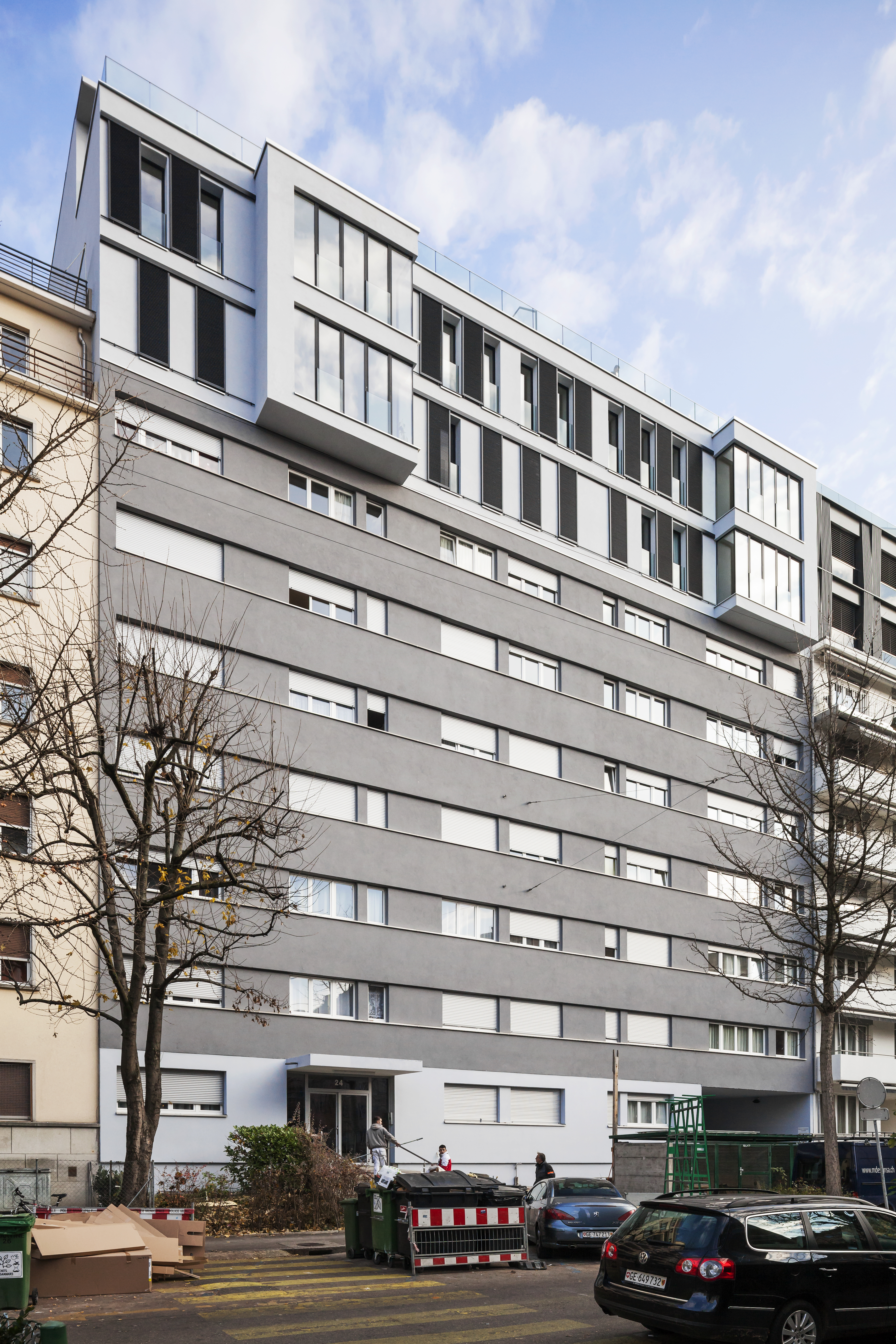
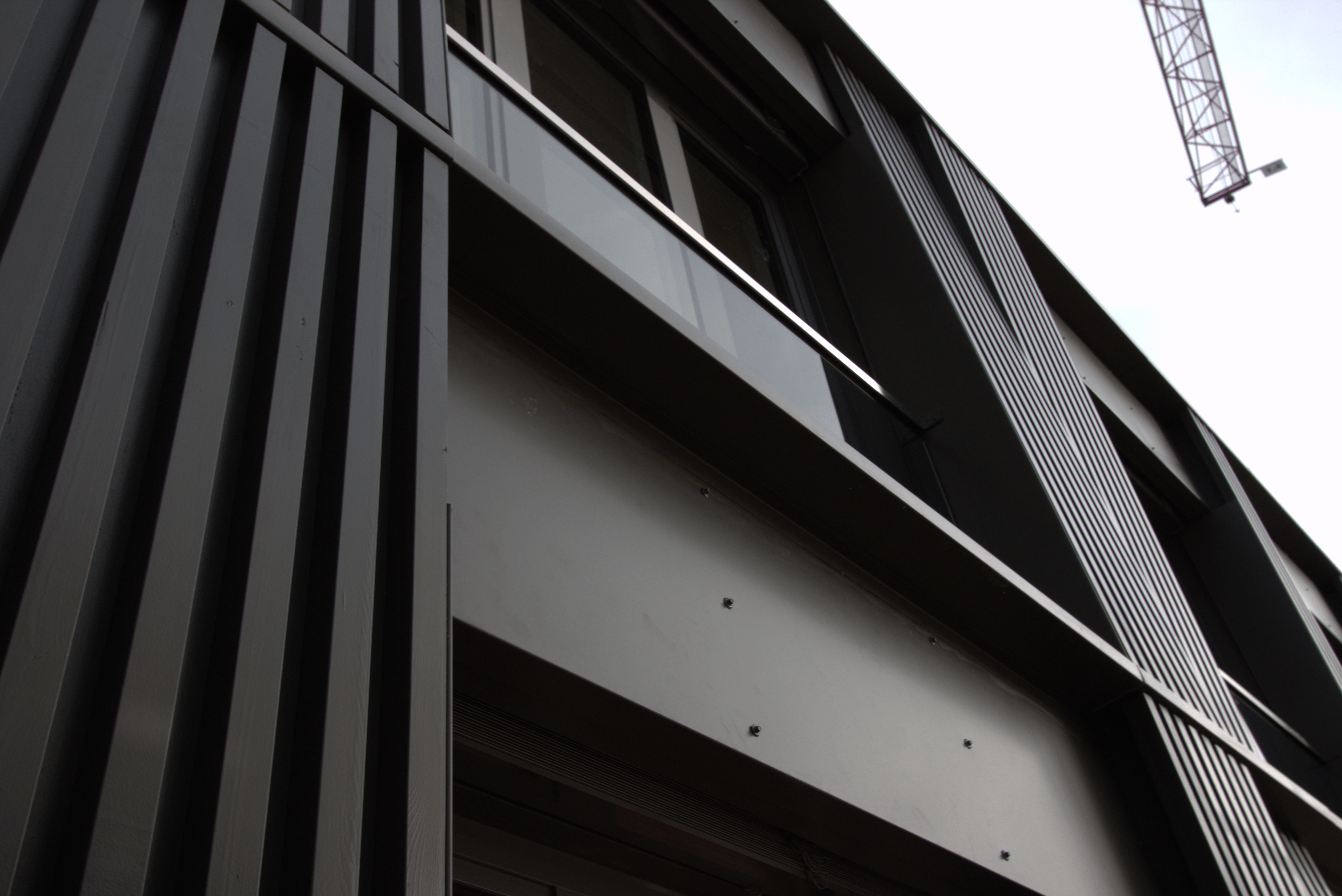
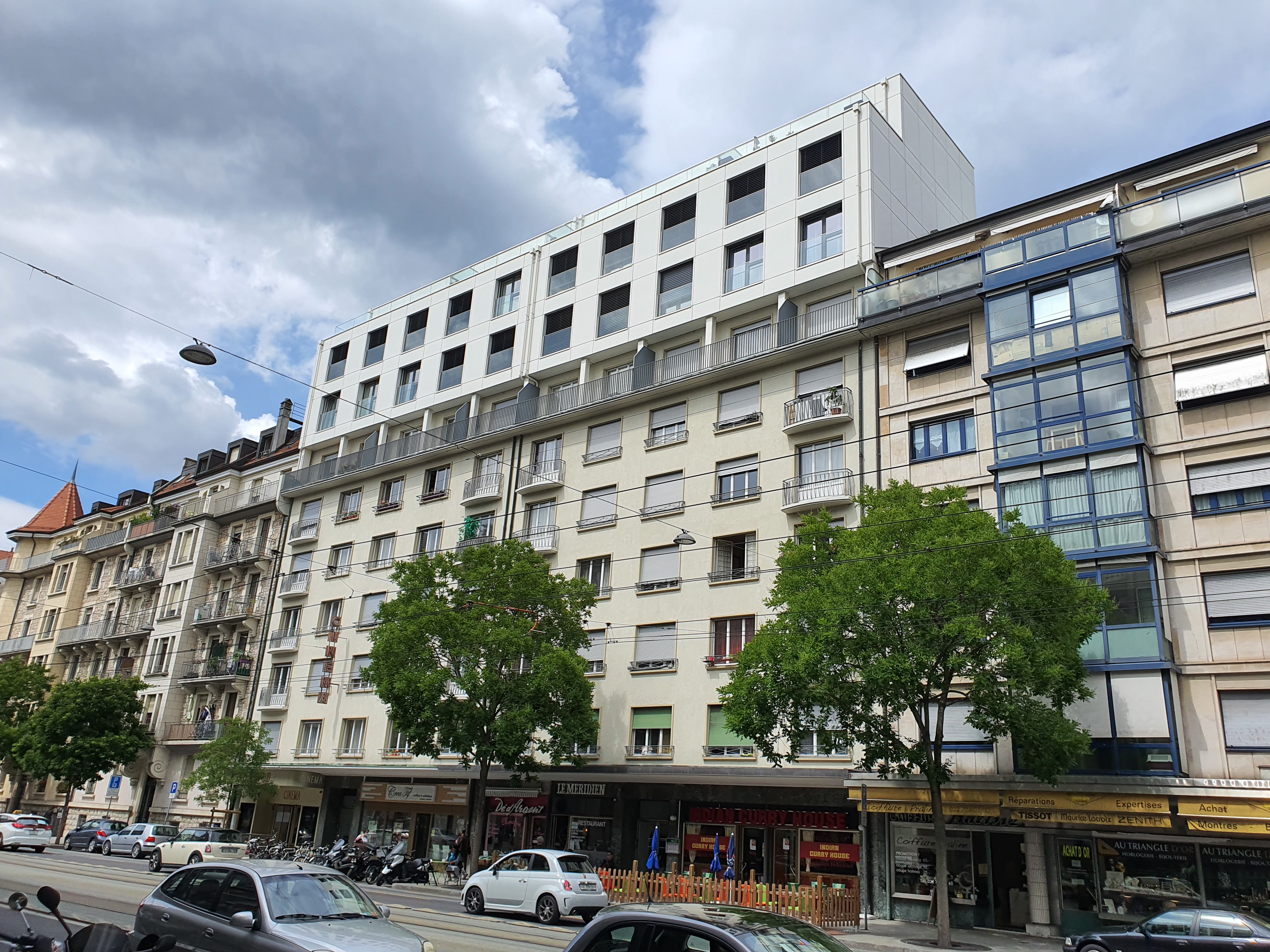
Frequently asked questions
How many non-residential buildings are there in Charmilles-Châtelaine?
177 out of 832 at 30 September 2026, according to OCSTAT, more than one in five. On top of those come 195 residential buildings with an ancillary use and 26 buildings partly used for housing, where homes and businesses share the premises.
My building dates from the 1960s, where do I start?
With an assessment of its condition. A CECB+ describes the building's energy performance and sets out renovation options, so that comparable scenarios can be priced. If you are hoping for a Programme Bâtiments grant, it must be applied for before work begins. The sector has 2,538 dwellings from 1961 to 1970.
Who coordinates the contractors when a shop unit is fitted out?
If you appoint HMG to manage the works, the firm does. It sets the budget, consults the contractors, fixes the programme and supervises the site through to handover. It has already managed projects for restaurants, offices and clinics.
Related guides and pages
Request a call back
Describe your project in a few lines. HMG calls you back within 24 hours.