

How do you avoid budget and schedule overruns during building work?
Planning building work? Apartment, house or building renovation, a new storey or a roof extension, running the project is our job.
Many overruns are decided before the site opens, when the project, the cost estimate and the contracts are drawn up. HMG Construction Management SA prices the works by CFC item, compares bids on a common basis, sets a dated schedule and checks every invoice, so that budget and timing stay under control right to the end.
Where do budget and schedule overruns come from?
The same causes turn up on site after site, whatever the size of the project.
- A project that is still vague at tender stage, forcing changes along the way.
- A single global estimate, with no breakdown by item, so nobody can see where the money goes.
- Contractors' bids that cannot be compared because they do not cover the same quantities or the same scope.
- Something discovered during the works in an older building, asbestos for instance, that nobody looked for beforehand.
- Client choices made too late, holding up the trades that follow.
- Extras ordered verbally on site, with no price and no written agreement.
None of these is inevitable. Each one can be dealt with at a specific stage of the project, most of them well before the contractors arrive.
What should be settled before the first day on site?
The CFC (Code des frais de construction) is the Swiss system that classifies construction costs by item. An estimate built on it shows what each part of the works will cost, then serves as the template for bids and for cost tracking. This is the work of a construction cost consultant (in French), also covered in our article on the CFC cost estimate.
In Geneva, several procedures affect the schedule and need to start early. The permit route depends on the works, either the fast-track APA procedure or a full DD application, according to the official page on permit types (in French). Grants from the Programme Bâtiments must be requested before the works begin. In an existing building, the survey for asbestos, PCB and lead described on the page Rénover, transformer ou démolir sans danger (in French) is done before tendering, so that contractors price a known situation. In a residential building, the LDTR housing law governs works in the flats.
Finally, a contingency set aside at the outset and tracked separately means you do not have to raid other budget lines when a surprise comes up.
What needs watching during the works?
- A schedule kept up to date, showing how the trades follow one another and which decisions the client needs to take.
- Site meetings followed by minutes, so that every contractor knows what to do and by when.
- No extra work without a price accepted in writing before it is carried out.
- Cost tracking that sets the budget, committed amounts and invoices received side by side, item by item.
- Every invoice checked against the work actually done.
Who should you approach first?
To hold the budget and the schedule, ideally the same person follows both from start to finish. Two arrangements make that possible.
- HMG takes on the whole project, from the plans and the permit through to acceptance of the works, and follows cost and timing at every stage.
- Your architect handles the design and the permit application. HMG then takes over the file, working with the architect, to price the works, tender them and run the construction phase.
How HMG keeps budget and schedule on track
HMG is an independent project management firm with no financial ties to any contractor, so it has no interest in any item costing more. The firm first prices the works by CFC item, then runs the tendering on the same breakdown, which makes the bids comparable line by line.
The works schedule is drawn up with the chosen contractors and updated at site meetings. During construction, every decision affecting cost or time is put to you before it is taken, together with its consequences. You know where the budget stands at all times, and nothing is added without your agreement.
HMG has managed six storey additions to buildings in Geneva and Meyrin and seven hotel renovations, projects where every week of delay costs money and the sequence of trades has to be settled in advance.
Steps to keep the project under control
- Define the works and your needs precisely before any pricing.
- Prepare an estimate by CFC item and set a contingency.
- Start early on the procedures that drive the schedule, namely the permit, the hazardous materials survey and grant applications.
- Tender the works on a common specification and compare bids item by item.
- Agree an overall schedule, then a detailed one with the chosen contractors.
- Track cost and time throughout construction, with written agreement for every extra.
- Accept the works and draw up the final account against the original budget.
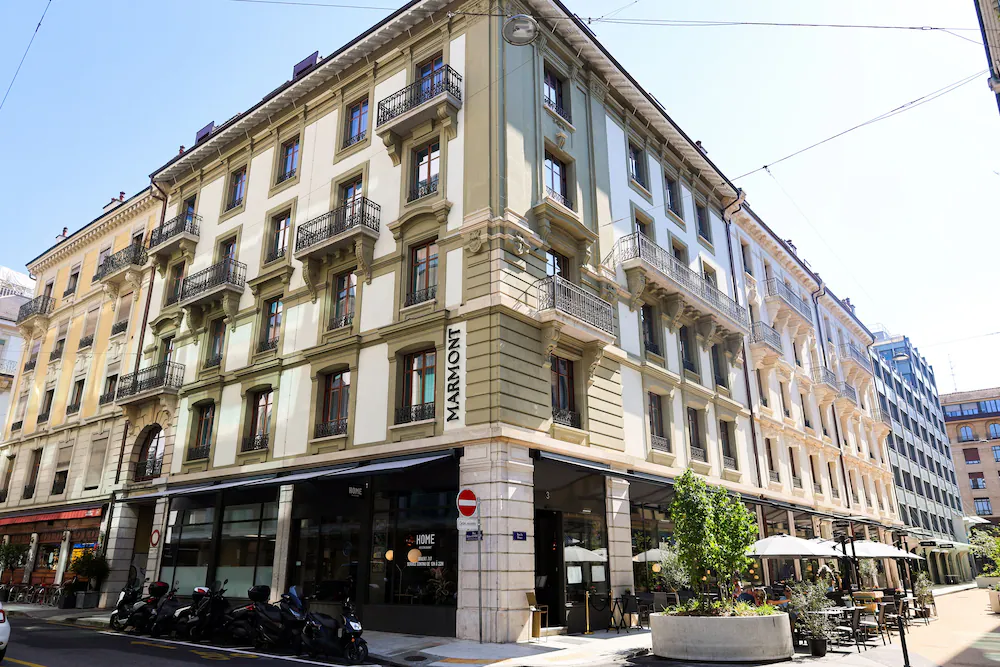
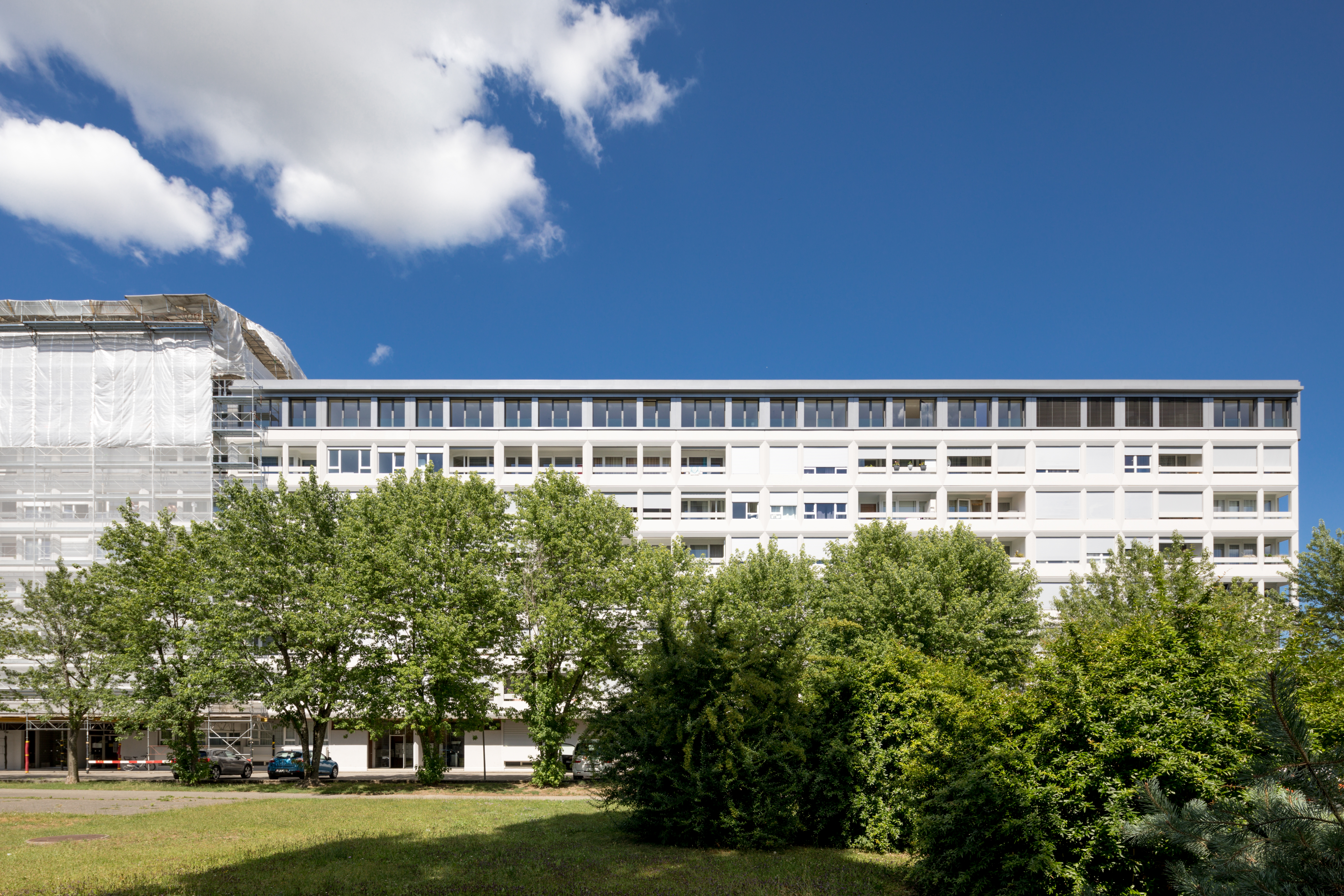
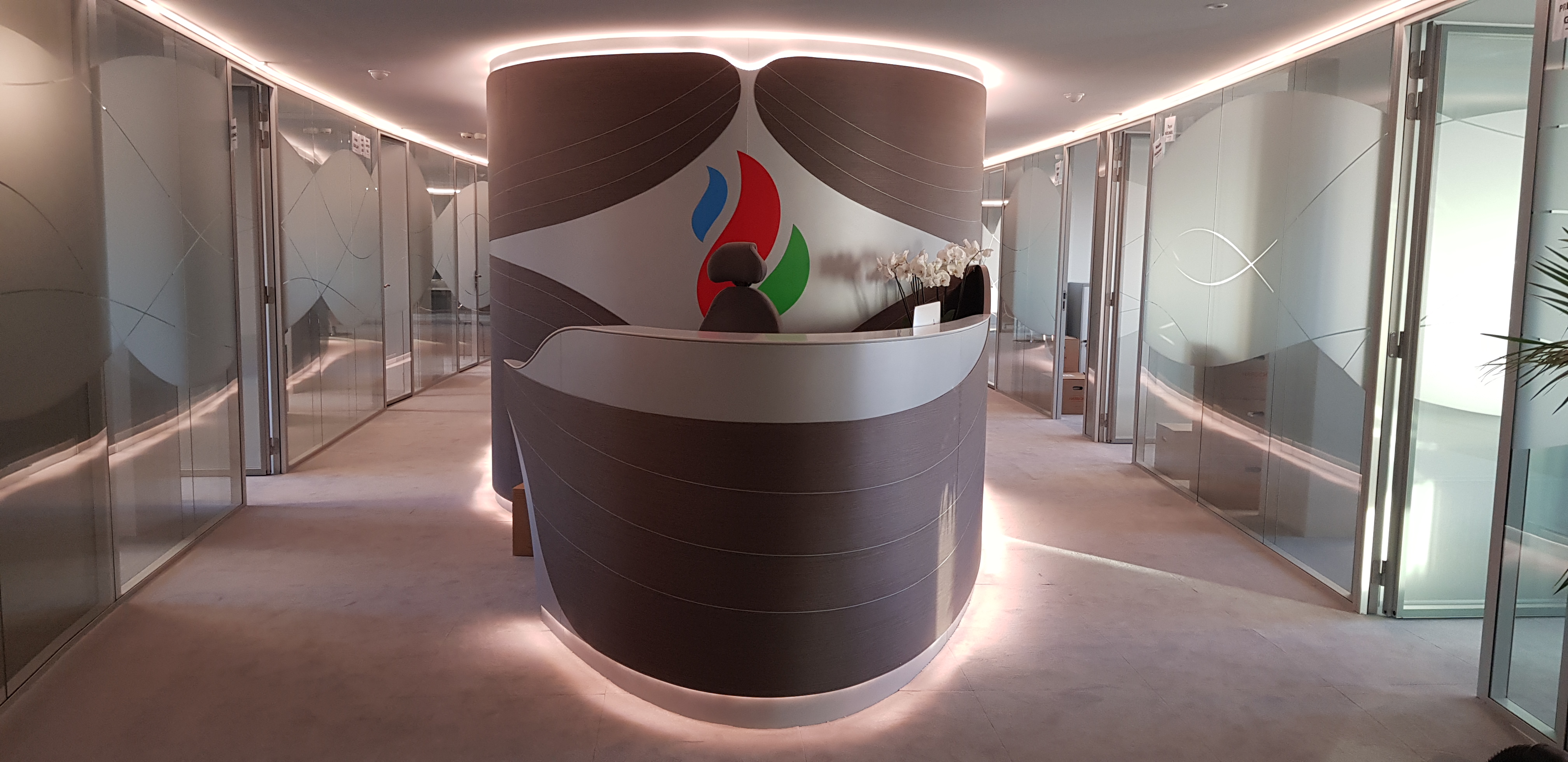
Sites managed by HMG
Frequently asked questions on building budgets and schedules in Geneva
How large a contingency should I allow?
It depends on the condition of the building and on how much is known about it. A major renovation of an old building calls for a larger margin than a fit-out in recent premises. HMG sets it with you after the initial survey, without a standard percentage.
Does a fixed price protect me against overruns?
It protects you against price changes on the work described in the contract. Changes requested later still have to be paid for. That is why a complete specification before signing matters as much as the price itself.
Why do delays tend to pile up at the end of a project?
Finishing works bring many trades into a small space, and each delay knocks on to the next contractor. Choices of materials or equipment that have not been made make matters worse. Settling them early and putting them in the schedule avoids that final bottleneck.
Can grant applications delay the works?
Under the Programme Bâtiments, grants must be requested before the works start, so they belong in the schedule from day one. The programme publishes its amounts and conditions, which change from time to time. HMG checks the ones in force when your project goes ahead.
How can I tell where my budget stands during the works?
Through cost tracking that compares budget, committed amounts and invoices, item by item. HMG sends it to you regularly and flags any variance as soon as it appears, with a proposal to bring it back in line.
Related guides and pages
Request a call back
Describe your project in a few lines. HMG calls you back within 24 hours.