

How do you renovate an occupied apartment building in Geneva without moving tenants out?
Planning building work? Apartment, house or building renovation, a new storey or a roof extension, running the project is our job.
Renovating an occupied building in Geneva calls for works split into phases, tenants informed well in advance and tight control of noise, dust and access. HMG Construction Management SA checks the LDTR framework with the owner, prepares a schedule zone by zone and manages the contractors so that the flats stay habitable.
Can a building be renovated without moving the tenants out?
In many cases, yes. Work on facades, roofs, stairwells or shared services is usually carried out with the building occupied. Work inside the flats, such as replacing pipe risers or windows, can also be done with tenants in place, provided each flat is disturbed only briefly.
Some work remains hard to carry out with occupants present, such as major structural repairs or the complete renovation of a flat. The initial survey shows which, so that a solution for the households concerned can be planned in good time rather than found halfway through.
Which rules apply in Geneva?
The LDTR, Geneva's law on the demolition, conversion and renovation of residential buildings, governs work on flats in apartment buildings. Whether and how it applies is checked before the application is filed, because it shapes the project itself. General building rules are set out in the LCI, the cantonal building law.
Permits are granted by the Office des autorisations de construire (OAC), the cantonal permit office. According to the official page on permit types (in French), interior work and work that leaves the building's general appearance unchanged fall under the fast-track APA procedure, and everything else needs a full application (DD). Before touching an older building, it must also be checked for asbestos, PCB and lead, as the page Rénover, transformer ou démolir sans danger (in French) explains.
For an energy renovation, a CECB+ certificate describes the building's condition and possible renovation options. Programme Bâtiments grants must be applied for before the works start.
How do you organise the works around the tenants?
- Inform before starting. A letter, then an information meeting, present the works, the timetable and the person to contact.
- Announce every visit to a flat. Each household knows in advance which days the workers will come in.
- Give notice of interruptions. Water, power or heating cuts are announced and kept to the strict minimum.
- Set hours for noisy work. It is grouped into time slots everyone knows about.
- Protect the shared areas. Stairwells, lifts and entrances stay clean, safe and usable.
- Record the condition before and after. The state of each flat is noted before work starts, which avoids disputes later.
How HMG manages renovation in an occupied building
HMG organises the site so that each flat is opened as few times as possible. The trades that need to work inside are grouped and follow one another in an order set in advance. One late contractor should not force the others to come back, or a tenant to stay available for another week.
During the works, the firm chairs the site meetings, writes the minutes, checks the work against SIA standards (the Swiss Society of Engineers and Architects) and tracks the costs. It remains the tenants' contact for practical questions and the property manager's or owner's contact for decisions. Residents' comments are dealt with quickly, before they turn into disputes.
- If you hand the whole project to HMG, the firm draws up the plans, files the permit application as an agent registered on the Geneva MPQ list (mandataires professionnellement qualifiés, the cantonal register of qualified building professionals), calculates the cost, appoints the contractors and manages the works through to completion.
- If an architect designed the project and obtained the permit, HMG takes over the file for the construction phase, working with them.
The stages of renovating an occupied building
- Building survey, check for hazardous materials and review of occupancy constraints.
- Works programme, cost estimate and check of the LDTR framework.
- Filing the permit application and, if the project qualifies, applying for grants before any work starts.
- Tendering and selection of contractors, on terms suited to an occupied site.
- Tenant information and a detailed schedule for each flat.
- Works carried out zone by zone, with site meetings and cost tracking.
- Joint acceptance of the works, follow-up of defects until they are put right, then the final account.
How long it takes depends on the scale of the works and the number of flats. The factors involved are covered in our guide on how long renovation works take in Geneva.
Property manager, condominium or single owner, who does what?
When a building is run by a property management agency (régie), the agency often represents the owner and liaises with the tenants. HMG then works with it, as explained on our page for property managers. In a condominium (PPE, propriété par étages), decisions go through the co-owners, and our page for condominiums describes how HMG supports them.
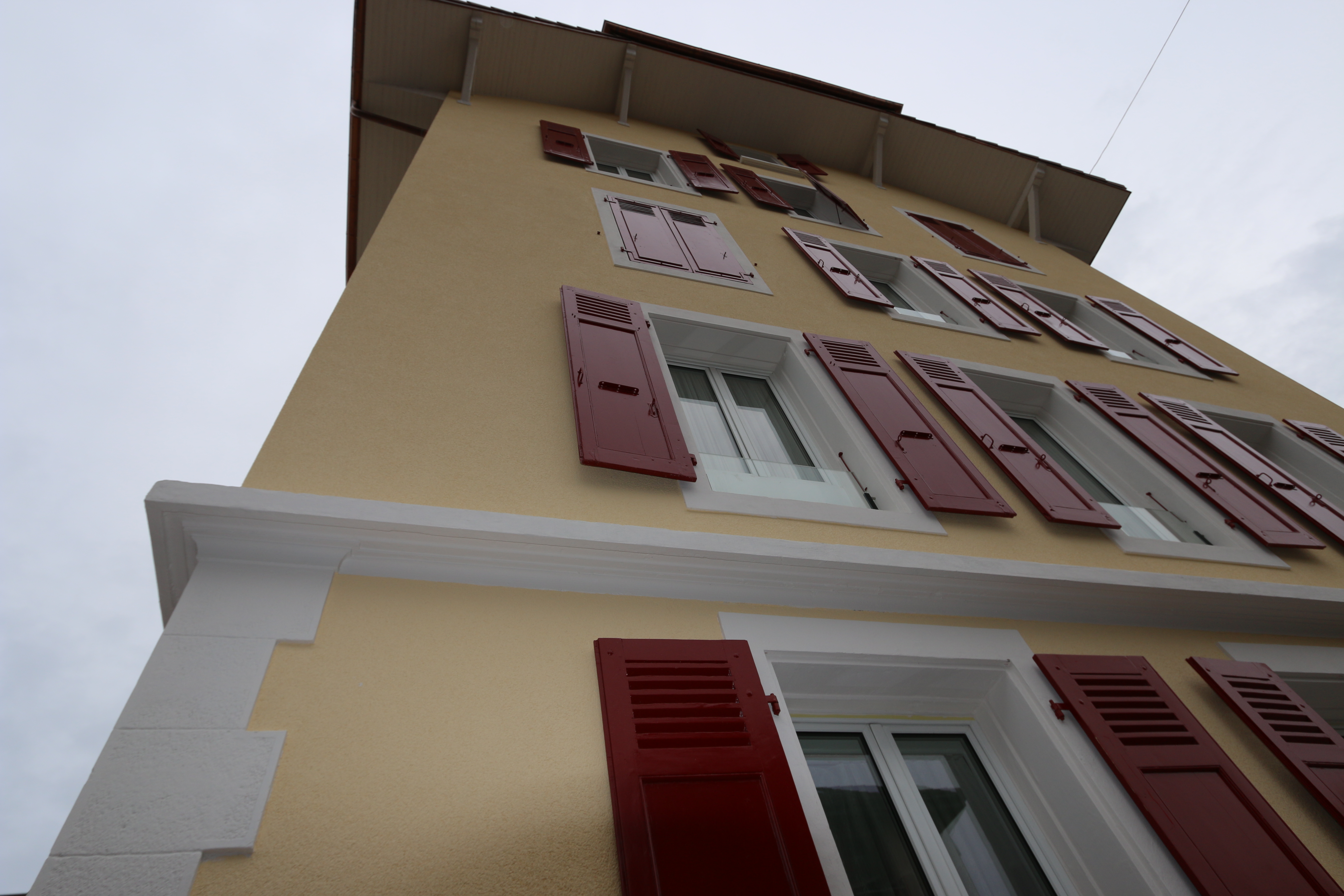
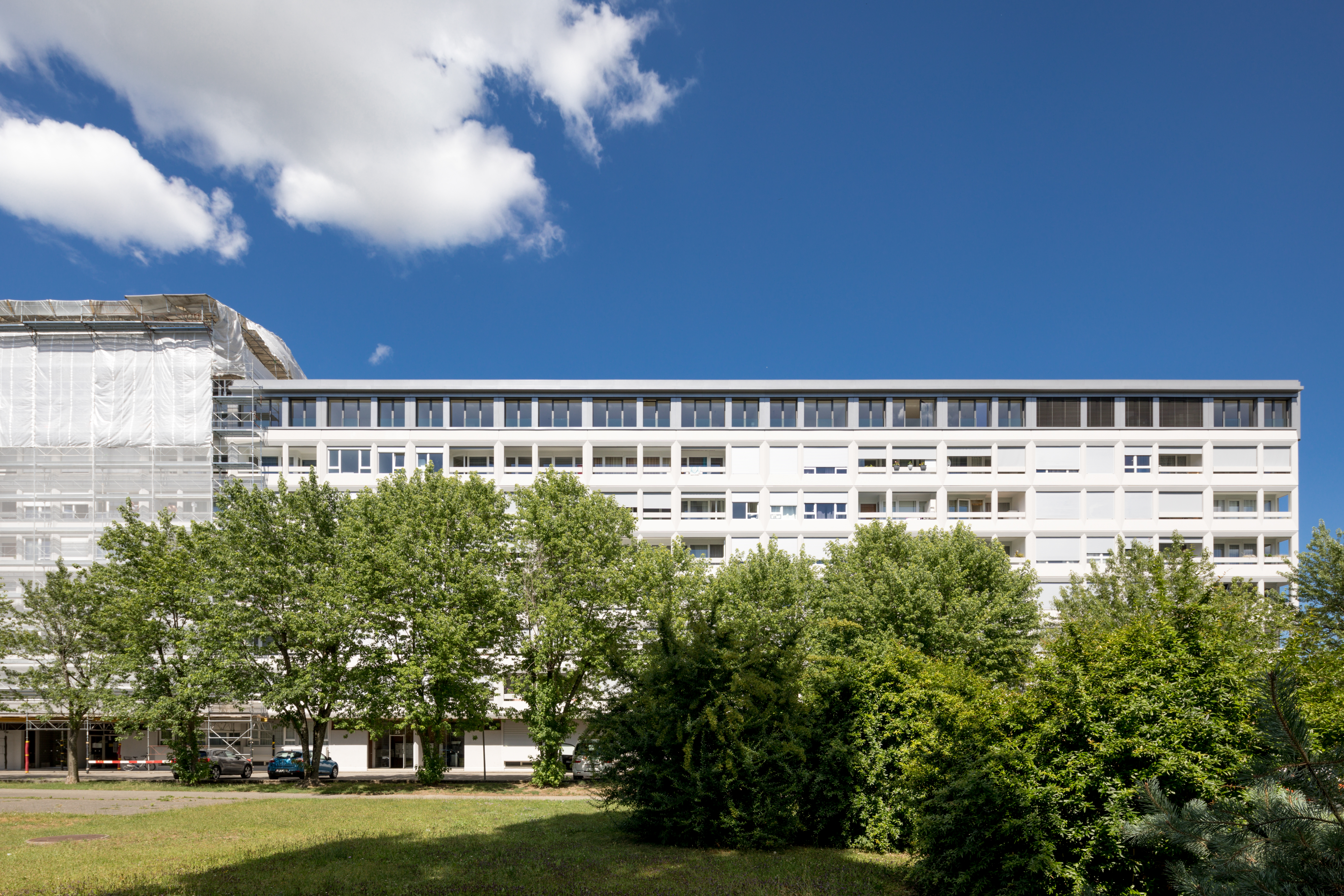
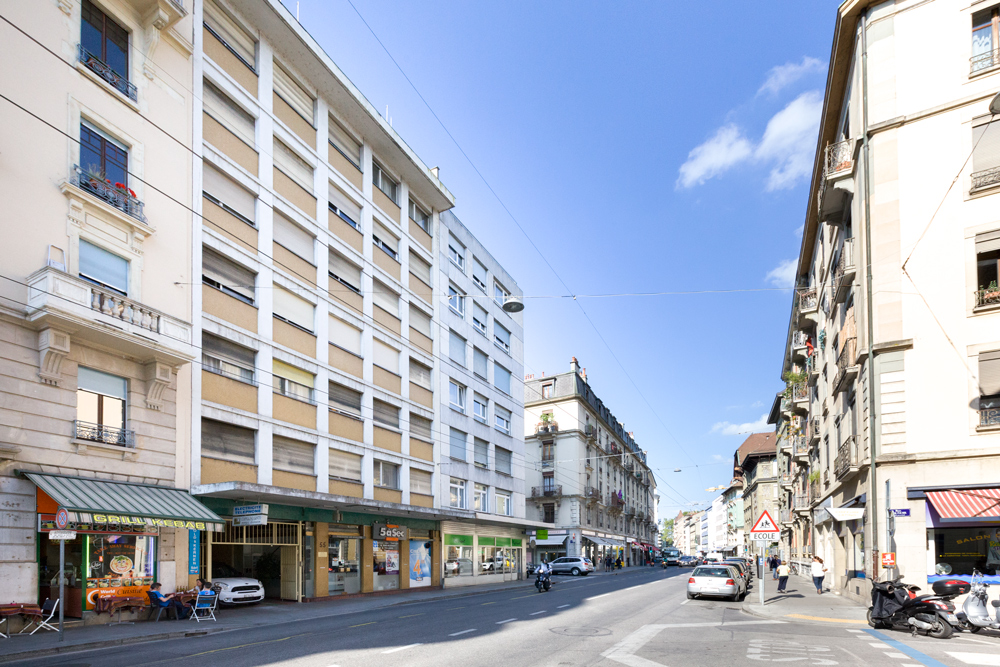
Buildings where HMG has managed works
Frequently asked questions on renovating an occupied building in Geneva
Do tenants have to leave their flats during the works?
Not necessarily. A great deal of work can be done with the occupants in place, provided the site is properly phased. Cases where a temporary move is needed are identified at the survey stage.
How should tenants be informed?
By a letter and then an information meeting before the works start, followed by regular notices during the works. Each household should know when work will take place in their flat and whom to contact.
Do you need a permit to renovate an occupied building?
It depends on the works. The LDTR governs work on flats in residential buildings, and the procedure, APA or DD, depends on the nature of the work. HMG checks these points before filing.
Who handles tenants' complaints during the works?
The project manager deals with practical questions about the site, together with the property manager or owner. A single, clearly named contact stops comments getting lost between several parties.
Can an energy renovation be combined with other works?
Yes, and it is often sensible, because the building is disrupted only once. Programme Bâtiments grants must then be applied for before the works start.
Related guides and pages
Request a call back
Describe your project in a few lines. HMG calls you back within 24 hours.