

How does acceptance of works under SIA 118 work?
Planning building work? Apartment, house or building renovation, a new storey or a roof extension, running the project is our job.
Acceptance is when the owner takes over the finished works after a joint inspection with the contractor, recorded in a formal report. It also starts the warranty period. HMG Construction Management SA prepares this inspection, carries it out with you and follows up every defect until the final account is settled.
What does SIA 118 say about acceptance?
SIA 118 sets out the general conditions for building works in Switzerland. It is not a law. It applies when the construction contract incorporates it, which is very common. The first step is therefore always to read the contract, because that is what determines which rules apply to your project.
Under SIA 118, where the contract incorporates it, acceptance takes place through a joint inspection of the works, attended by the owner or the owner's representative and the contractor. The outcome is recorded in a formal report, which lists the defects found and sets out how each one will be dealt with.
What warranty periods follow acceptance?
Under SIA 118, where the contract incorporates it, a two-year warranty period runs from acceptance. During that period, the owner can report defects at any time. Under the same standard, and again where the contract incorporates it, claims for defects are in principle time-barred five years after acceptance.
The two periods are different things. The first is the window during which defects can be reported freely, the second the time within which the resulting claims can still be pursued. If your contract does not incorporate the standard, or departs from it, other rules may apply. If in doubt, have the contract reviewed before acceptance.
How does acceptance work, step by step?
- The contractor reports that its work is finished. The project manager checks that the works really are ready to be inspected.
- A date for the joint inspection is set with the owner, the contractor and, where needed, the other consultants.
- The works are inspected room by room and item by item, with the drawings and the contract to hand.
- The report lists each defect found, the contractor responsible and the agreed deadline for putting it right.
- The report is signed by the parties. The building documents, including manuals and updated drawings, are handed to the owner.
- The remedial works are checked, then the contractor's final account is verified before payment.
On a project with several contractors, acceptance can take place trade by trade or part by part. Each then has its own report and its own start date for the warranty, which calls for careful tracking.
What if a defect appears after acceptance?
Report it in writing to the contractor concerned, with a precise description, photographs and the date it was found. A clear, dated notice avoids arguments over what was found and when.
During the warranty period, HMG remains your point of contact where its appointment provides for it. The firm assesses the defect, identifies the contractor responsible, sends the request for repair and checks the result. Before the warranty period ends, an inspection of the building is a chance to take stock and report anything still outstanding.
How does HMG prepare for and run acceptance?
Acceptance is prepared long before the last week on site. HMG checks the workmanship against SIA standards throughout the works, so most defects are corrected before the joint inspection. On the day, the firm walks the building with you, writes the report and makes sure every defect has someone responsible and a deadline.
Afterwards, HMG follows the repairs one by one, gathers the building documents and checks the final accounts before payment. Quality control during the works is described in our guide to SIA standards and site inspection.
Who should be at your side at acceptance?
If HMG has run the whole project, acceptance is the last stage of its appointment, with the same contact you have had since the plans. If an architect designed the project and HMG took over construction, the firm organises acceptance together with the architect. Either way, you do not face the contractors on your own when you take over the building.
Projects HMG has taken through to acceptance
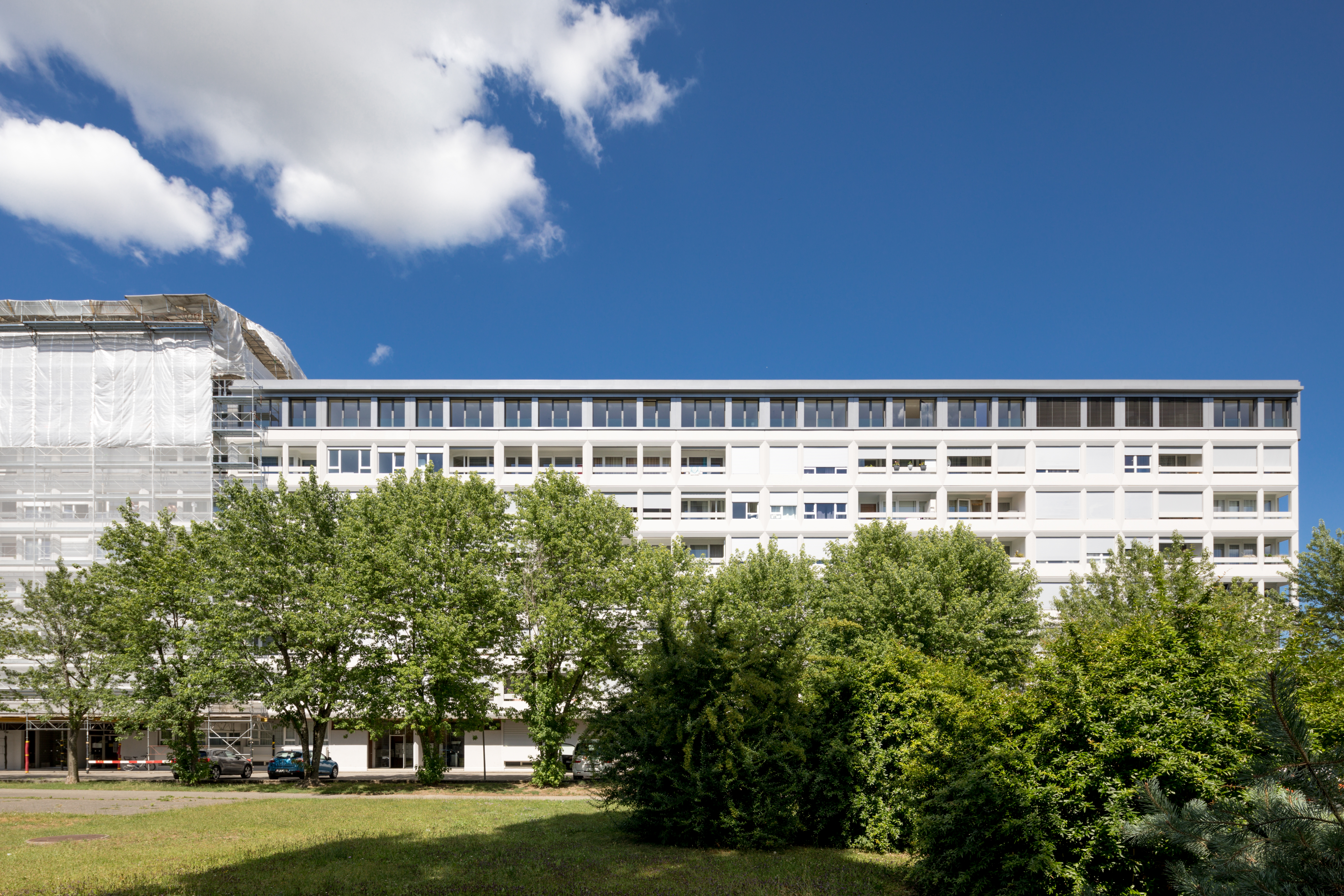
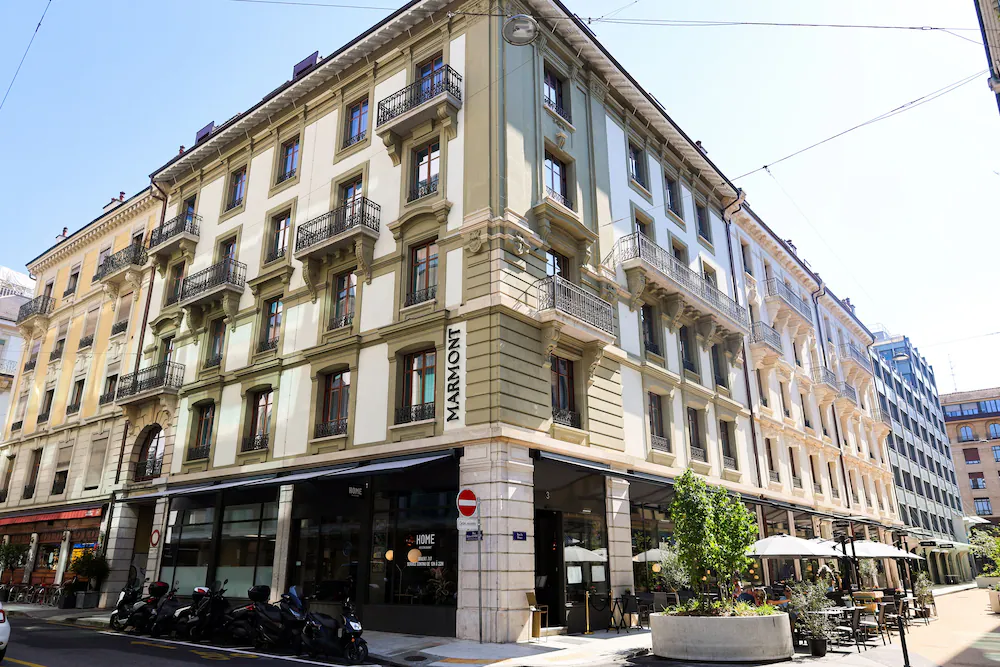

Frequently asked questions about acceptance of works in Geneva
Can I refuse acceptance?
If the works have serious defects that prevent them being used, acceptance can be postponed until they are corrected. Minor defects are usually listed in the report and put right afterwards. The contract and the applicable standard set out the procedure.
Does the two-year warranty period always apply?
Under SIA 118, where the contract incorporates it, yes. A contract that does not refer to it, or departs from it, may provide for other rules, which is why it is worth reading before acceptance.
Who needs to attend acceptance?
The owner or the owner's representative and the contractor concerned. The project manager leads the inspection, and other consultants may attend depending on the works.
What goes into the acceptance report?
The date, the people present, the works or part of the works being accepted, the list of defects found and the agreed follow-up for each. It is signed by the parties and serves as the reference throughout the warranty period.
Should part of the payment be held back until defects are fixed?
Security arrangements and payment terms depend on the construction contract. HMG checks what each contract provides and verifies the final account before recommending payment.
Related guides and pages
Request a call back
Describe your project in a few lines. HMG calls you back within 24 hours.