

What are the SIA phases of a building project?
Planning building work? Apartment, house or building renovation, a new storey or a roof extension, running the project is our job.
The SIA 112 standard divides a building project into six phases, from setting the objectives to operating the finished building. HMG Construction Management SA works mainly in phase 5, construction, as the project manager on site. When a client hands over the whole project, HMG covers phases 3 to 5, from the plans to the end of the works.
What is the SIA 112 service model for?
A building project brings together an owner, design consultants, engineers and contractors, who rarely work at the same time. SIA 112, a standard published by the Swiss society of engineers and architects, gives them a shared vocabulary. It splits the project into successive phases and sets out, for each one, the services expected and the decisions the owner has to take before moving on.
The main benefit is clearer contracts. When an appointment states that a firm is responsible for a given phase, everyone knows what is included and what is not. The model describes services rather than professions, so the same phase can be handled by different people depending on how the owner chooses to organise the project.
The six phases in turn
- Setting the objectives. The owner sets out their needs, the intended use of the building, the budget envelope and the timetable they have in mind. This is the moment to check, broadly, that the project is realistic.
- Preliminary studies. The site or the existing building is examined, along with its constraints and several options. In Geneva, the Canton recommends a geoanalysis of the plot's constraints before a permit application is filed, and this is where it belongs.
- Project design. The outline design and then the full design fix the plans, the materials and a cost estimate. The permit file is prepared and filed online on the AC-Démat platform (in French), under whichever procedure applies.
- Tendering. The works are described item by item, often following the Swiss CFC cost classification, and put out to tender. The bids are compared and contract awards are proposed to the owner.
- Construction. Construction drawings go to the contractors, contracts are signed and work starts on site. The project manager coordinates the trades, checks quality, tracks costs and deadlines, then organises the acceptance of the works and the final account.
- Operation. The building is in use and maintained. The owner follows up any defects reported during the warranty period and, for a heated building in Geneva, its heat index, known as IDC.
Each phase ends with a decision by the owner. Approving an outline design, choosing a permit procedure or awarding a contract shapes everything that follows, and going back on a decision costs more the further the project has moved on.
Who does what in each phase?
In the first two phases, owners usually work with an architect or with a professional on the Geneva MPQ list, the cantonal register of qualified building professionals, sometimes joined by an engineer when the structure or the building services raise questions. Phase 3 brings the design team together around the plans and the permit file. Contractors come in at phase 4, when they price the work, and again at phase 5, when they carry it out.
Several terms are used for the people involved. In French, the maître d'œuvre designs and steers the works on the owner's behalf. An owner's representative, called maître d'ouvrage délégué or AMO in Geneva, defends the owner's interests without necessarily running the site. A general contractor builds the whole project for a lump sum and chooses its own subcontractors. A project manager, finally, directs the works on the owner's behalf, trade by trade. An independent firm such as HMG has no financial ties to the contractors it directs.
Each of these arrangements has its strengths and its limits. Our guide Architect, general contractor or project manager compares them in detail.
Where does HMG fit into the SIA phases?
Construction project management has been HMG's business since 2014, and it is carried out in phase 5. The firm can come in earlier, however, depending on what you ask it to do.
- You hand the whole project to HMG, from phase 3 to phase 5. The firm draws up the plans, files the permit application as an agent registered on the Geneva MPQ list (mandataires professionnellement qualifiés, the cantonal register of qualified building professionals), works out the cost, tenders and appoints the contractors, draws up the schedules and manages the works to SIA standards through to completion.
- Your architect handles the design and the permit. HMG then takes over the file once the permit is granted, working with the architect, and runs the tendering and the construction phase. Your architect remains your design partner while HMG runs the site.
Either way, one party answers for the construction phase. The full scope is set out on our page Direction des travaux à Genève (in French).
Why is the move from phase 3 to phase 5 a sensitive point?
This is where the project changes hands. The approved plans, the conditions attached to the permit and the choices made with the owner all have to reach the contractors intact. A forgotten condition or a detail nobody drew tends to surface on site, where it is most expensive to put right.
HMG therefore takes over the complete file, reviews the drawings with construction in mind and raises questions before tendering. The specifications and the master schedule are built from that file, so bids can be compared on the same basis and the contracts signed cover the whole job.
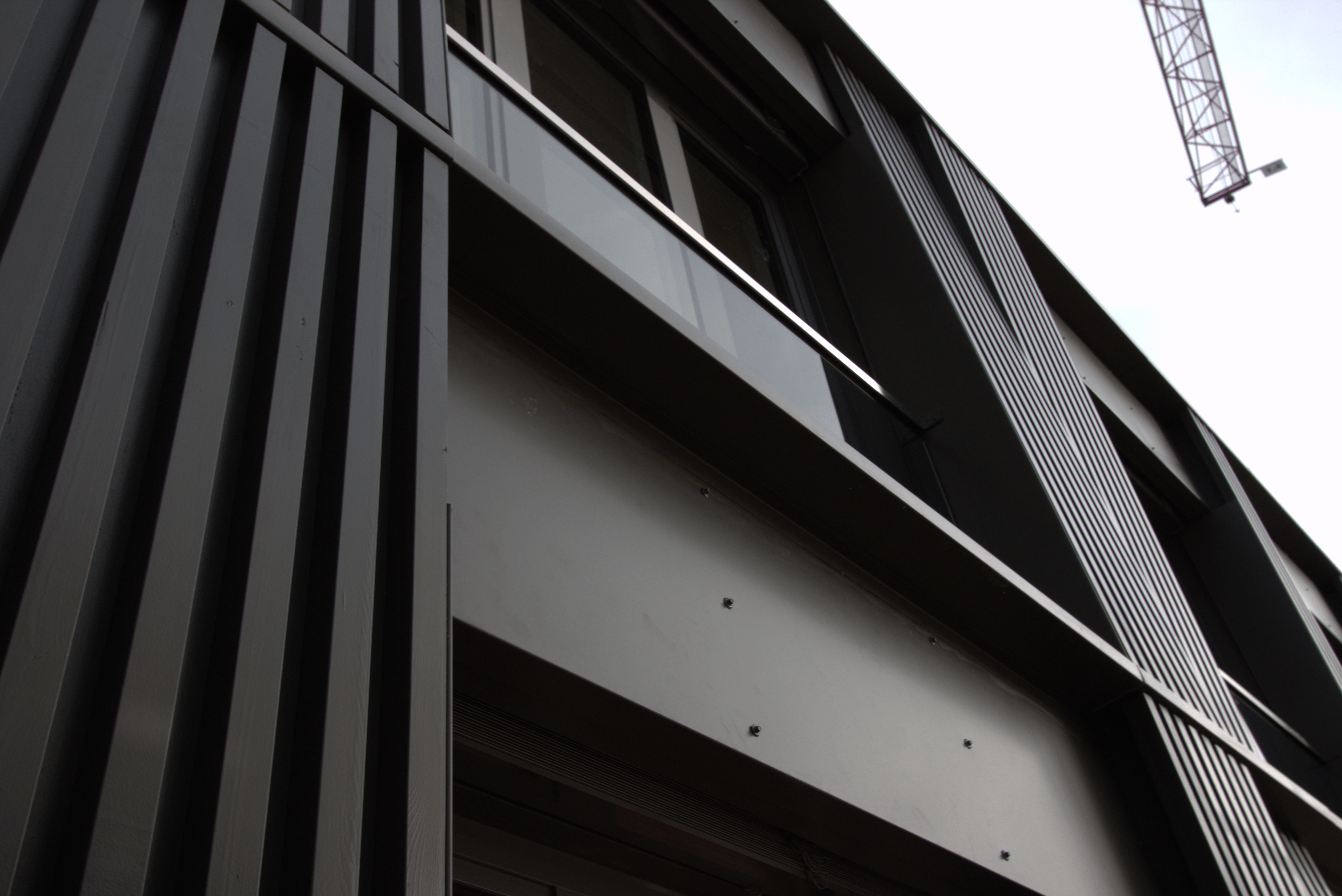
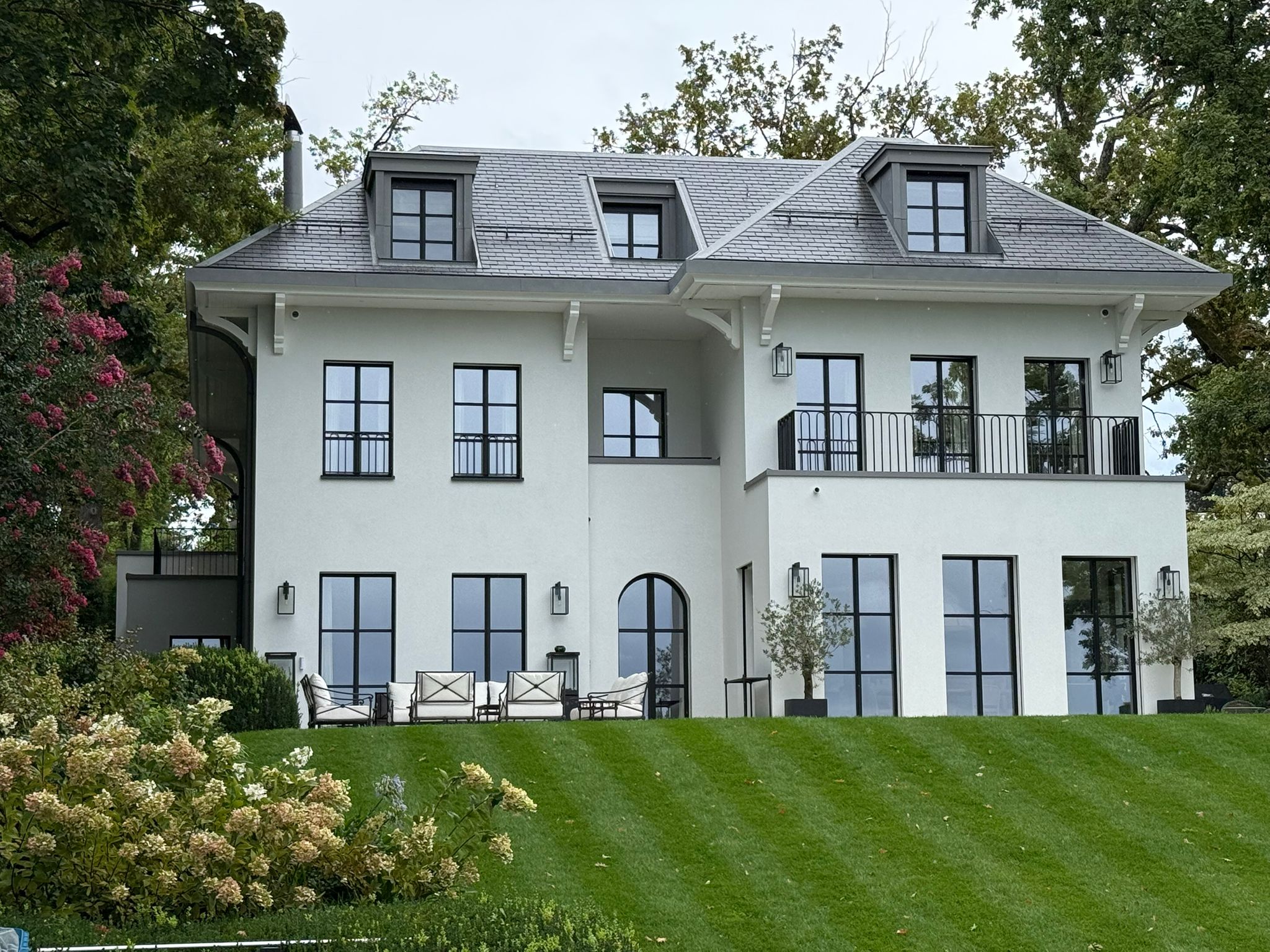
Projects managed by HMG

Frequently asked questions about SIA phases in Geneva
Is SIA 112 compulsory?
It is a reference model, not a law. It applies when the appointment contract refers to it, which is common practice in Switzerland because it saves rewriting the list of services for every project.
Can a phase be skipped?
On small jobs several phases are compressed, but none really disappears. Even an interior renovation needs objectives, drawings, a round of contractor bids and someone to direct the works.
When should I bring in a project manager?
At the latest by the end of phase 3, when the permit has been granted or is about to be. Earlier is better still, because the cost plan and the site organisation benefit from the input of whoever will run the works. Our guide Who coordinates the contractors after the permit looks at this stage.
Who checks that SIA standards are followed on site?
That is the project manager's job, both during the works and at acceptance. Our guide to SIA standards and site inspection explains how it is done.
What happens once the works are finished?
The building moves into phase 6. Acceptance of the works starts the warranty period, which our guide on acceptance of works and SIA 118 warranties covers step by step.
Related guides and pages
Request a call back
Describe your project in a few lines. HMG calls you back within 24 hours.