

The IDC heat index in Geneva, what does it mean for building owners?
Planning building work? Apartment, house or building renovation, a new storey or a roof extension, running the project is our job.
The IDC (indice de dépense de chaleur, or heat consumption index) is calculated every year in Geneva for heated buildings, based on their energy use. A high IDC can require the owner to commission an audit and then carry out works. HMG Construction Management SA prices those works, prepares the permits needed and manages the energy renovation on site.
What is the IDC?
The heat consumption index turns into a single figure the amount of energy a building uses for heating. It is worked out every year from the building's actual consumption, which makes it a concrete indicator, more telling than a theoretical estimate.
The IDC is monitored by the Office cantonal de l'énergie (OCEN), the cantonal energy office. Year after year, a building's IDC figures show whether its consumption is holding steady, rising or falling after works. It is often the first sign that an energy renovation is worth looking into.
What are the thresholds and obligations?
A high IDC can trigger obligations for the owner, in particular an energy audit followed by improvement works. The thresholds at which these obligations apply, and the deadlines involved, are set by the Canton.
The State of Geneva publishes the thresholds and the deadlines, and they can change. We therefore do not repeat them here, to avoid an outdated figure being passed around. Before each project, HMG checks the rules in force at the time the works are being prepared and builds them into the schedule.
What should you do if your building's IDC is high?
- Gather the building's recent IDC figures and whatever information is available on the heating, the building envelope and past works.
- Have the building's energy performance assessed. The CECB+ certificate describes its current state and sets out renovation options.
- Rank the measures by effect and by cost, then price each option item by item.
- Prepare the grant applications to the Programme Bâtiments, which must be submitted before the works start.
- Check the permit procedure. Work on facades or roofs often alters the building's appearance and then needs a full application (DD), according to the official page on permit types (in French).
- Run the tenders, appoint the contractors and manage the site through to acceptance.
In an apartment building, work inside the flats is governed by the LDTR, the Geneva law on renovating residential buildings, which should be checked as soon as options are studied. Before any work on an older building, asbestos, PCB and lead must also be checked, as the page Rénover, transformer ou démolir sans danger (in French) explains.
Which works bring the IDC down?
Every building is different, and the energy assessment shows where to start. The measures studied usually fall into four groups.
- The envelope, with facade insulation, covered on our page on facade renovation and insulation in Geneva.
- The roof and attic, often a major route for heat loss, covered on our page on roof renovation in Geneva.
- Windows and doors, whose replacement is coordinated with the facade work.
- Heating and hot water, from fine-tuning the system to replacing the heat source.
The order of the measures matters. Insulating before resizing the heating avoids installing an oversized system. Possible financial support is covered in our guide to energy renovation grants in Geneva.
How HMG supports owners and property managers
HMG works for building owners, condominiums (PPE, the Swiss form of shared ownership) and property managers, known in Geneva as régies. The firm prices each option, draws up the plans and files the permit application as an agent registered on the Geneva MPQ list (mandataires professionnellement qualifiés, the cantonal register of qualified building professionals), finds and appoints the contractors, draws up the schedules and manages the works to SIA standards through to completion.
In an occupied building, the site is organised so that the flats remain usable as far as possible. The owner receives regular updates on progress and costs, which also help when informing tenants or the co-owners' meeting.
Who should you approach first?
Two set-ups are possible.
- You hand the whole project to HMG, from the review of options to the acceptance of the works, with a single point of contact.
- Your architect or engineer designs the renovation and obtains the permit, then HMG takes over for construction, working alongside them.
The service is described on the page Rénovation d'immeuble à Genève (in French).
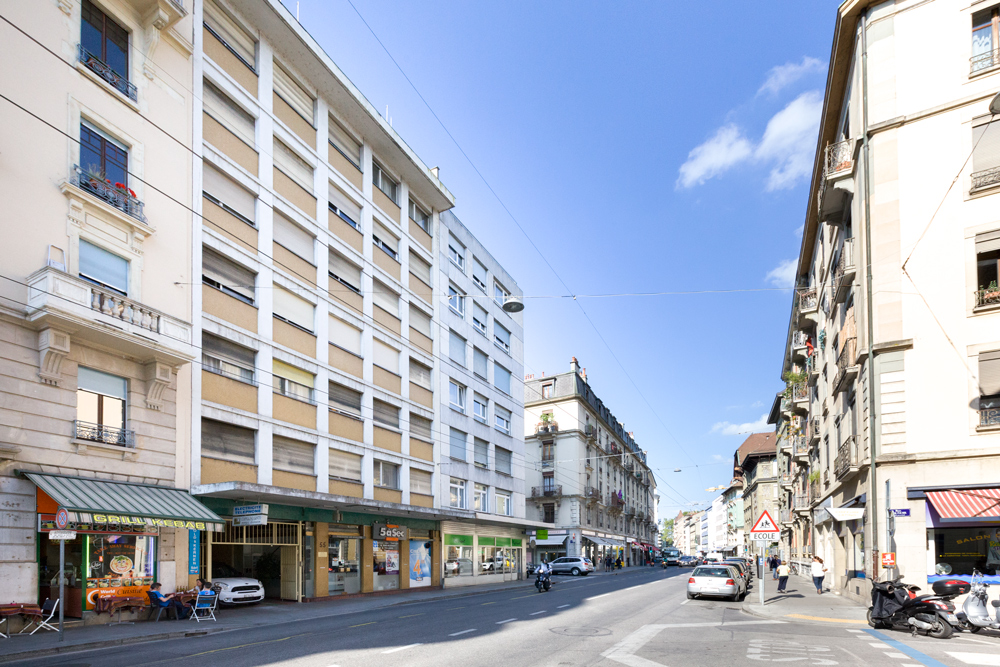
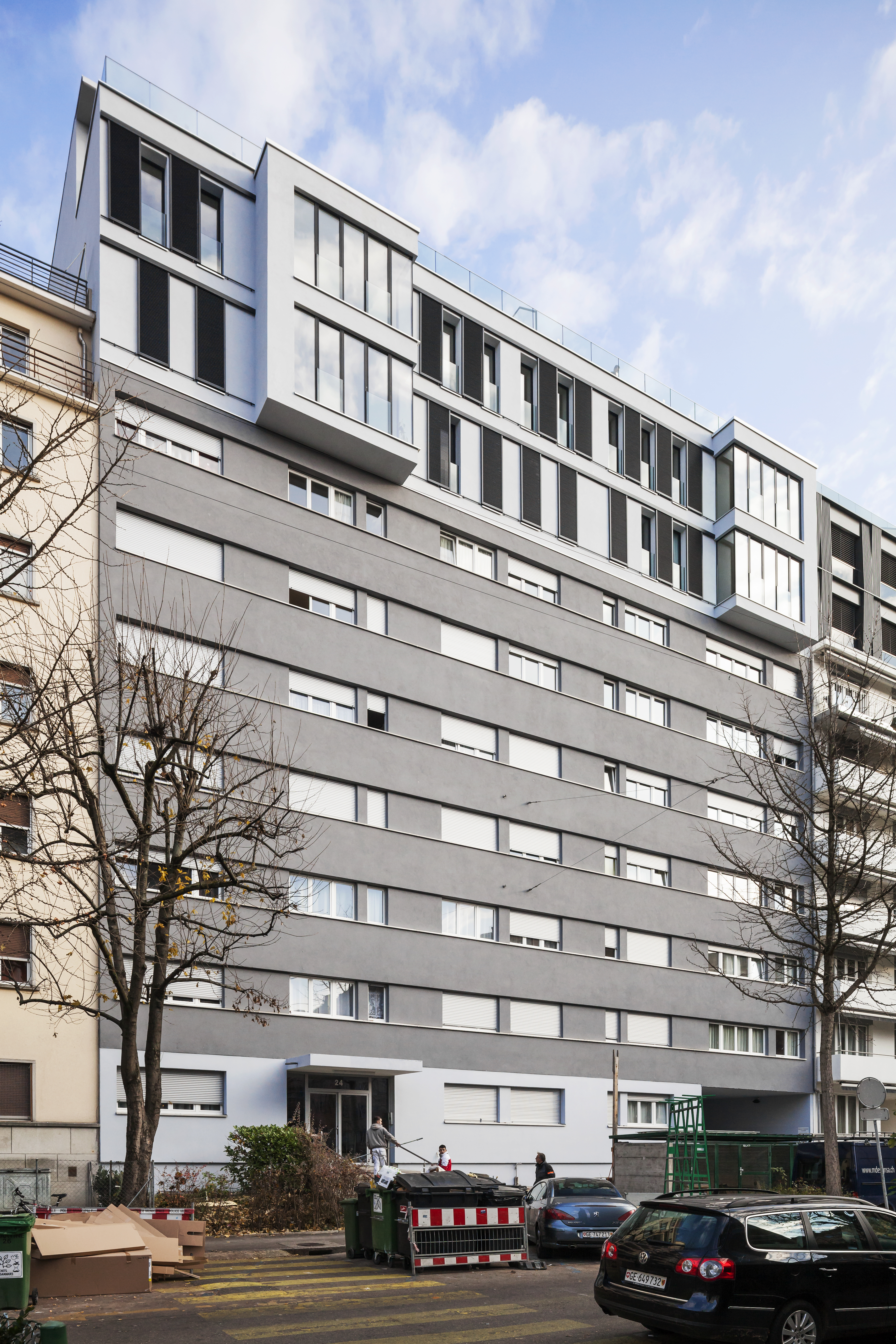
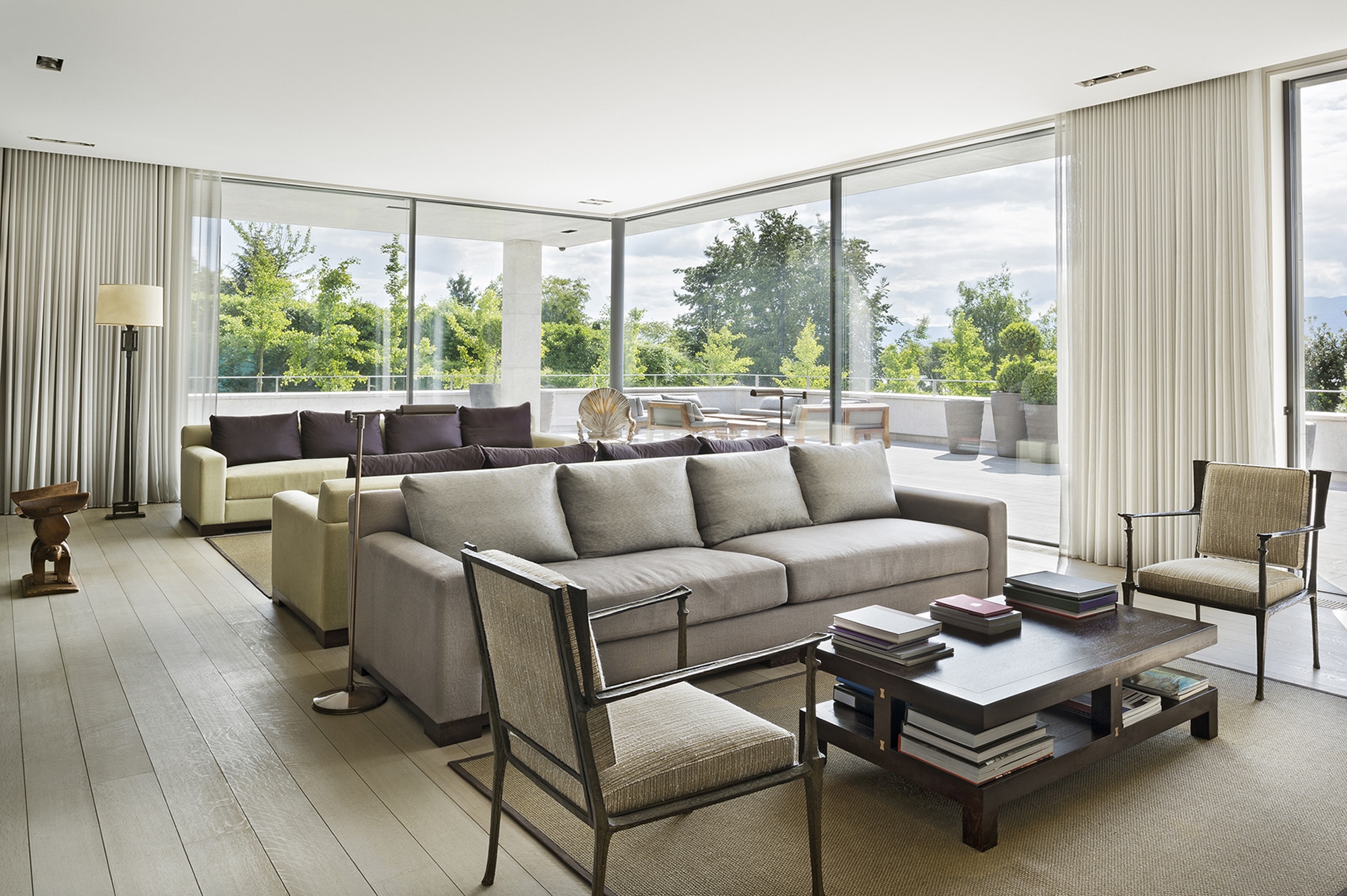
Buildings and villas HMG has worked on
Frequently asked questions about the IDC in Geneva
Who calculates my building's IDC?
The IDC is calculated every year from the building's energy consumption and is monitored by the Office cantonal de l'énergie (OCEN). The detailed rules for calculating and reporting it are published by the State of Geneva.
Where can I find the IDC thresholds that trigger obligations?
The State of Geneva publishes the thresholds and deadlines, which can change. Always check the current version, and HMG checks it too when preparing your project.
Does a CECB+ certificate replace the IDC?
No. The IDC measures actual consumption year after year, whereas the CECB+ describes the building's energy performance and proposes renovation options. The two complement each other.
Can IDC-related works receive grants?
Some works can be supported by the Programme Bâtiments, provided the application is made before the works start. Amounts and conditions are published by the programme and change over time, and HMG checks those in force at the time of the project.
Can the building be renovated without tenants moving out?
In many cases, yes, with works organised in stages. Our article Renovating an occupied building in Geneva explains the approach.
Related guides and pages
Request a call back
Describe your project in a few lines. HMG calls you back within 24 hours.